Research
We focus on process-integrated production technologies that economically extract and purify high-purity hydrogen by leveraging existing fossil fuel infrastructure. We hold distinctive expertise in Diesel Reforming, specifically addressing carbon deposition issues, and possess world-class capabilities in Membrane Reactor Stack design.
Converting high hydrogen storage density diesel fuel into hydrogen serves as a core specialized field of the laboratory.
Kinetic Modeling & Lumping Strategy: To precisely predict the reactions of hundreds of diesel components, a Lumping strategy is introduced to group complex components by characteristics, establishing kinetic models for the Autothermal Reforming (ATR) process.
Ethylene Suppression Technology: Ethylene has been identified as the critical cause of carbon deposition, the primary barrier in diesel reforming. Stable long-term operation without carbon fouling is achieved through fuel injector optimization and post-reformer design
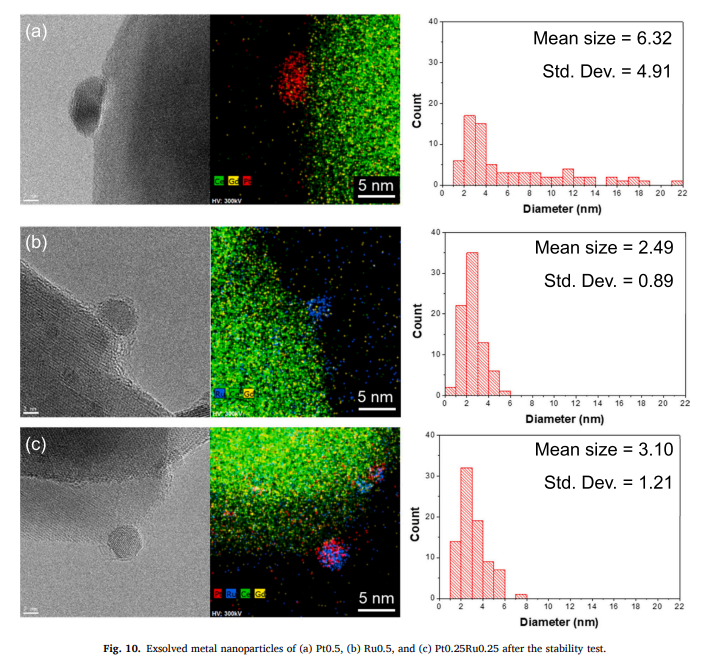
Exsolution-based High-Durability Catalysts: To resolve sintering—where catalyst particles agglomerate at high temperatures—high-durability catalysts are developed using exsolution techniques, where metal nanoparticles emerge from the substrate lattice.
Process miniaturization and yield maximization are achieved through Membrane Reactor (MR) technology, which performs reaction (production) and separation (purification) simultaneously within a single device.
Overcoming Equilibrium Barriers: High-efficiency hydrogen production beyond theoretical limits is realized by immediately extracting produced hydrogen through Palladium (Pd)-based membranes, thereby overcoming chemical equilibrium barriers.
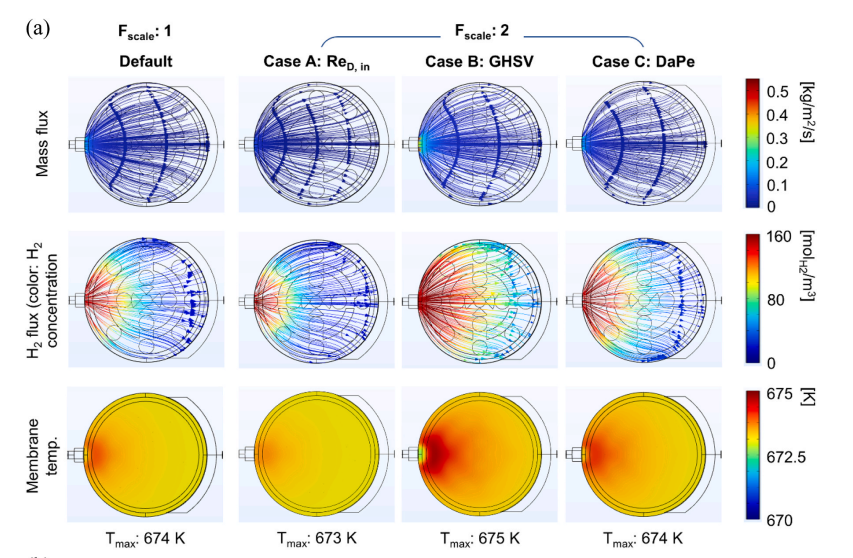
CFD-driven Scale-up Strategy: Scale-up research targeting actual hydrogen station specifications ($50\text{ Nm}^3/\text{h}$) is conducted using Computational Fluid Dynamics (CFD) to design optimized flow paths that minimize concentration polarization.
45-Cell Stack Design: Based on single-cell analysis results, stack design technology for stably stacking 45 membrane reactors has been established, demonstrating system packaging capabilities at a commercializable level.
The final stage of hydrogen production focuses on the preferential oxidation (PROX) of carbon monoxide (CO) to ensure the high purity required for fuel cell applications
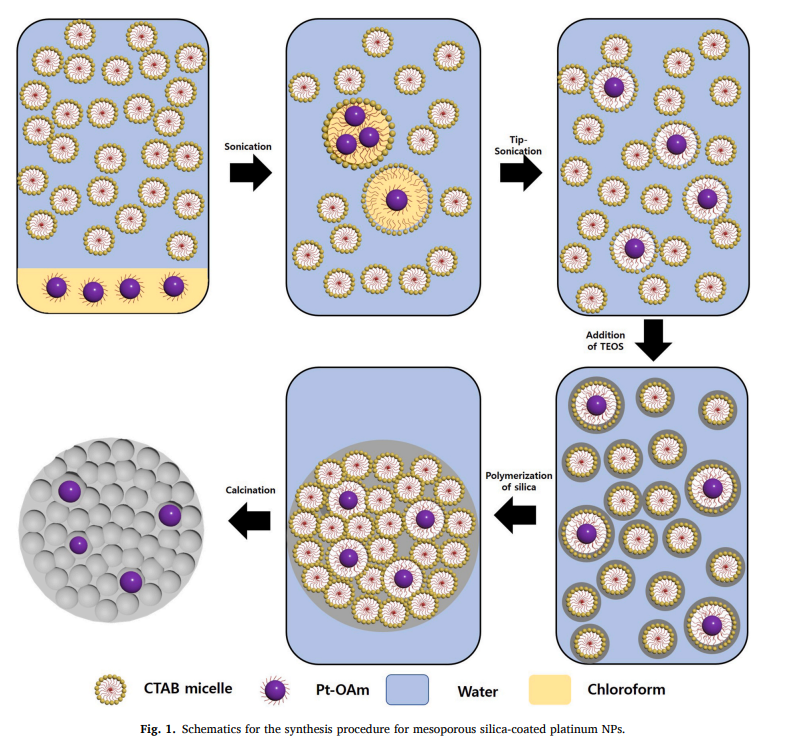
Encapsulation-based Catalyst: An encapsulation technology that covers Platinum (Pt) nanoparticles with a mesoporous silica mSiO2 shell is applied. This specialized core-shell architecture prevents the sintering of active metal particles at high temperatures, ensuring exceptional structural integrity.
Selective CO Removal: The engineered catalyst selectively targets and removes CO from the hydrogen stream, reducing CO concentrations to levels safe for PEMFC and SOFC systems without consuming the hydrogen fuel itself.
1,000-Hour Long-term Stability: By utilizing this PtmSiO2 technology, the laboratory has demonstrated overwhelming long-term stability for over 1,000 hours. This effectively overcomes the typical degradation issues of conventional catalysts, providing a robust solution for continuous high-purity hydrogen purification.